What If Your “Disability” Is Actually an Advantage?
When most people hear the phrase learning disability, the first image that comes to mind is someone struggling: the child who can’t keep up in class, the adult who dreads paperwork, the professional who feels “behind.”
But what if we told you that the very things society calls “disabilities” might actually be your greatest entrepreneurial advantages?
As mental health counselors and business coaches, we’ve seen it again and again: people with ADHD, dyslexia, trauma histories, or other challenges often bring fresh creativity, grit, and vision into their businesses. What once felt like a weakness becomes the very thing that sets them apart.
This post is the start of a larger series where we’ll explore how your unique wiring — whether labeled a disability, struggle, or simply a different way of thinking — can actually be the foundation of a thriving business.
Reframing the Narrative
The word disability implies a lack — but that’s only part of the story. Traditional school and work systems were designed for a narrow type of learner. If you didn’t fit that mold, you were labeled. But “different” doesn’t mean “deficient.”
In fact, the entrepreneurial world is often more welcoming to different thinkers than traditional classrooms or corporate jobs. Businesses thrive on creativity, problem-solving, and resilience — qualities many neurodiverse individuals have developed through lived experience.
This series is about seeing those traits for what they are: strengths.
The Strengths Hidden in Learning Differences
Here are a few broad ways learning differences can be assets in business (we’ll unpack these in greater depth in future posts):
- Creativity & Innovation: People with dyslexia often excel in big-picture or visual thinking. ADHD entrepreneurs may see possibilities others overlook.
- Resilience & Grit: Years of navigating school or workplace struggles builds persistence — the very fuel needed to push through business setbacks.
- Adaptability & Problem-Solving: If traditional methods don’t work for you, you’ve likely learned to invent new ones. That flexibility is a key entrepreneurial strength.
- Risk Tolerance & Energy: ADHD, for example, can make someone more comfortable with risk and quick pivots — two qualities that drive innovation.
- Empathy & Leadership: Having lived through misunderstanding or rejection often leads to more compassionate leadership and deeper customer connection.
Real-World Proof
You don’t have to take our word for it. Some of the most successful entrepreneurs in the world have learning differences:
- Richard Branson (dyslexia) built Virgin Group by leaning into creativity and bold vision.
- Daymond John (dyslexia), founder of FUBU and investor on Shark Tank, credits his struggle with reading as motivation to sharpen his business instincts.
- Barbara Corcoran (dyslexia) turned her “underdog” label into the drive to build a multi-million-dollar real estate empire.
Their stories show that differences aren’t barriers — they’re springboards.
Where Our Assessment Fits
Now, here’s the part most blogs miss: while inspiration is great, clarity and strategy are what actually move people forward.
That’s why we developed an Entrepreneurial Self-Discovery Assessment — a tool that helps you see how your personal struggles, personality, and even trauma experiences shape the way you build a business.
Most business plans start with the external: marketing, products, finances. We flip the script. We start with you.
Our assessment helps you:
- Identify the strengths your life experience has already given you.
- Recognize the struggles that could trip you up — and build strategies around them.
- Understand your personality style and how it impacts leadership, risk-taking, and resilience.
- Create a customized blueprint for building a business that fits you.
Because the truth is: your business won’t thrive if it’s built on someone else’s playbook. It will thrive when it’s built on yours.
From Surviving to Thriving
Here’s what we want you to hear: your brain is not broken. Your story is not a liability. Your differences, even your scars, can become the foundation of a powerful, resilient, creative business.
This blog series will show you how. Each post will unpack a specific struggle or learning difference — ADHD, dyslexia, trauma history, anxiety, and more — and translate it into business-building strengths and strategies.
And if you’re ready to take the first step now, our assessment is the perfect place to start. It will give you language for your strengths, insight into your struggles, and a personalized path forward.
An Invitation
The best businesses aren’t built by people who “fit the mold.” They’re built by people who broke free from the mold.
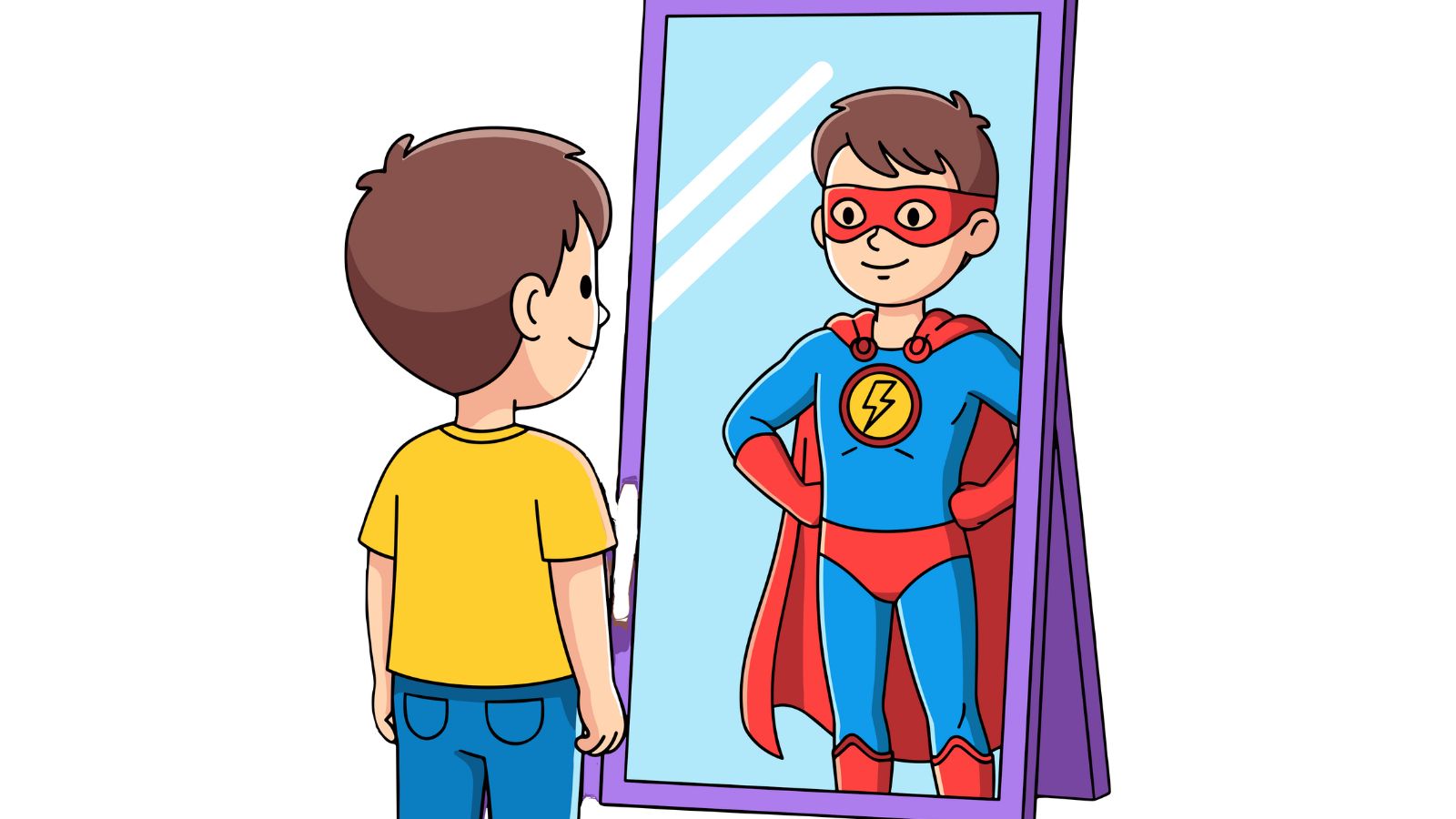
If you’ve ever been told you’re not smart enough, not focused enough, or not disciplined enough to succeed — this is your chance to prove those voices wrong. Your unique wiring is not your weakness. It’s your superpower.
So here’s our invitation:
- Follow along with this blog series as we explore how learning differences shape business.
- Take our Entrepreneurial Self-Discovery Assessment to uncover your personal blueprint.
- And consider working with guides who understand both the mental health side and the business of building something sustainable.
Because you don’t just need another business plan. You need a plan built for your life.
Your brain is not a barrier. It’s your breakthrough waiting to happen.